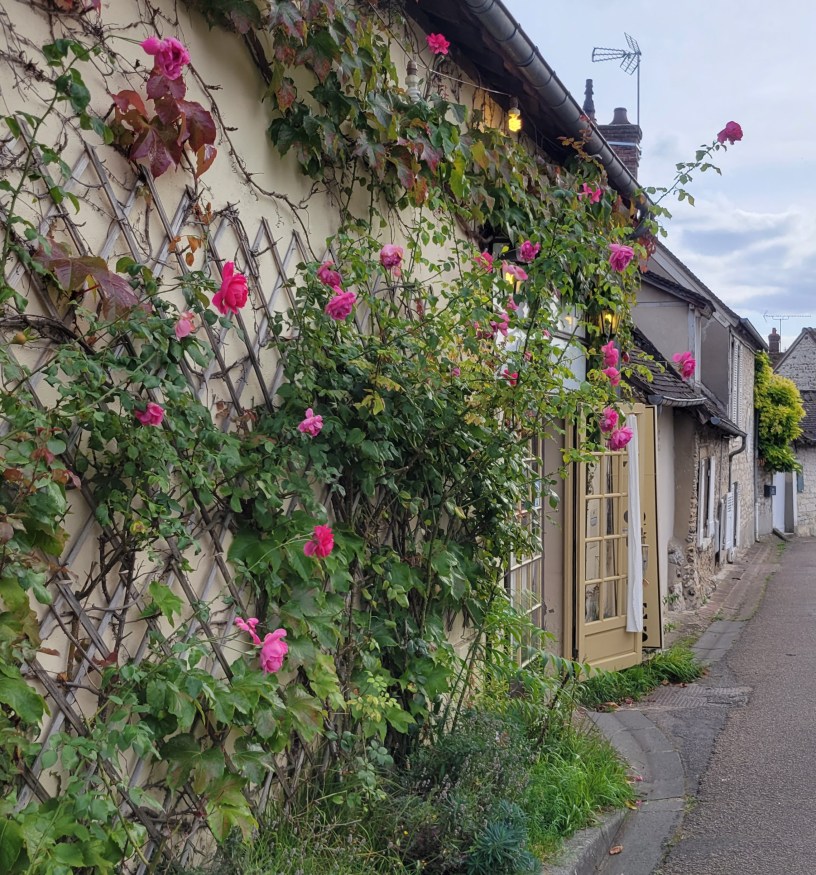
Travel connects us face to face with reality. It’s not virtual. It’s not through a viewfinder. Travel is candid, honest — being in the moment. In a world hungry for authenticity, we yearn for connection. Travelers connect with different cultures, different people. On the road strangers are just ‘friends we’ve yet to meet.’ Travel frees us from routine. It creates room for serendipity; serendipity leads to connections. Travel forces us to bend, and to flex. It makes us more tolerant and inspires us to celebrate diversity.
~Rick Steves, Why We Travel
Four years ago, a dearest friend introduced me to watercolor painting, and I’ve been following the inimitable Karen Rice on Patreon for the last three. So when, at the end of 2022, Karen announced a week of watercolor painting with her in the Loire Valley for this past September, I considered the decision for about two hours — and jumped in with both feet.
France has never been on my bucket list; if you know me, you know that Ireland is my second home and the place I’d return to over any other. Still, I decided that if I was going to the effort and time and expense to go as far as France, I should make the most of it. So, nearly a year of planning later, I had the privilege to spend almost three weeks in a beautiful country with wonderful people. It wasn’t an easy trip, but it was good. What I experienced and learned was worth every what-if along the way.
This isn’t a guide to France or a what-I-did-on-my-summer-vacation piece, though I’ll share a few pics and a brief description of my route. Rather, it’s a way to offer what challenged and inspired me — in the hope that you’ll bravely embrace new opportunities, too.
Note: As I post this, the wars in Ukraine and Israel rage. People suffer the world over, and I realize that difficult and easy are relative terms. Also, I’m humbly aware that not everyone can travel (though everyone can travel as a state of mind). So please read with a generous spirit. Ignore what doesn’t resonate — or, better still, ask yourself if you need to consider a shift in perspective.
Route recap
Verdun
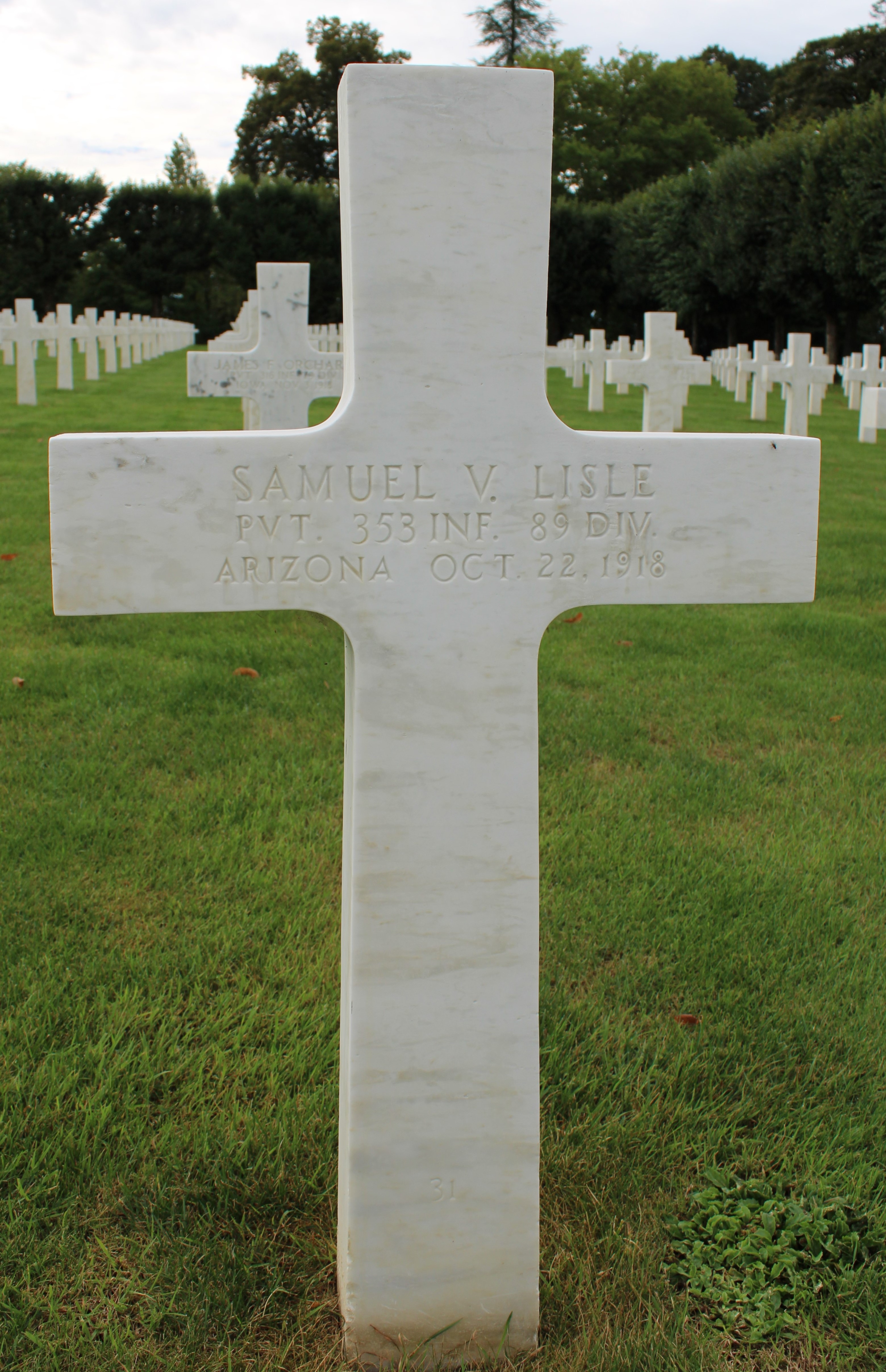
My family has a copy of the letter my great-great-uncle Sam had written from the front during WWI and sent to the local paper in Arizona, where he’d been working on a ranch. It’s filled with courage, with love for country, with youthful naiveté — with unawareness that less than a month later, he would pass from this earth.
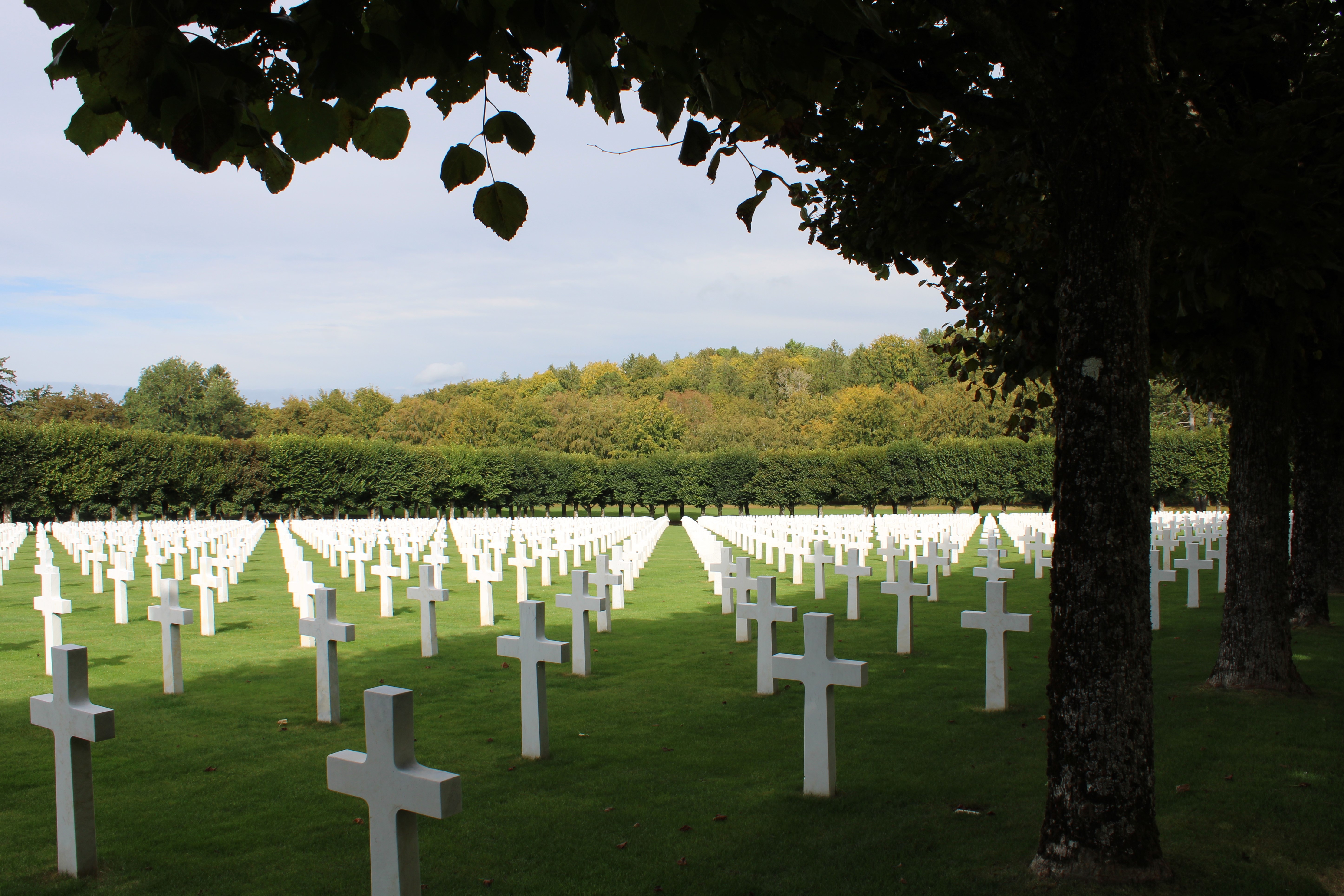
Sam was buried in the Meuse-Argonne American Cemetery, where 14,246 military dead rest (engage with a virtual tour of the cemetery). I went knowing the details of the gravesite, but I’m humbly grateful to the kind groundskeepers who helped me find it among the thousands.
Paris
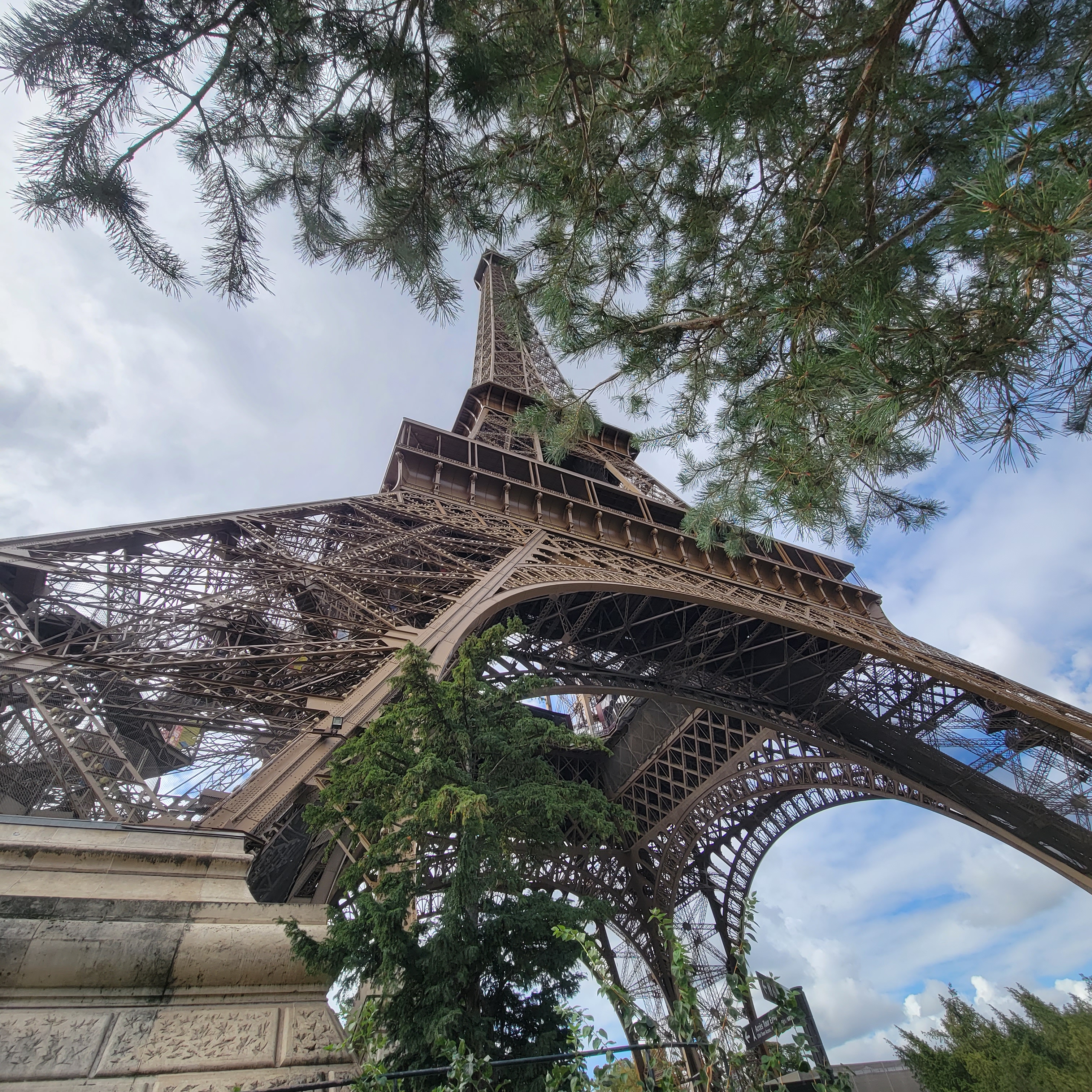
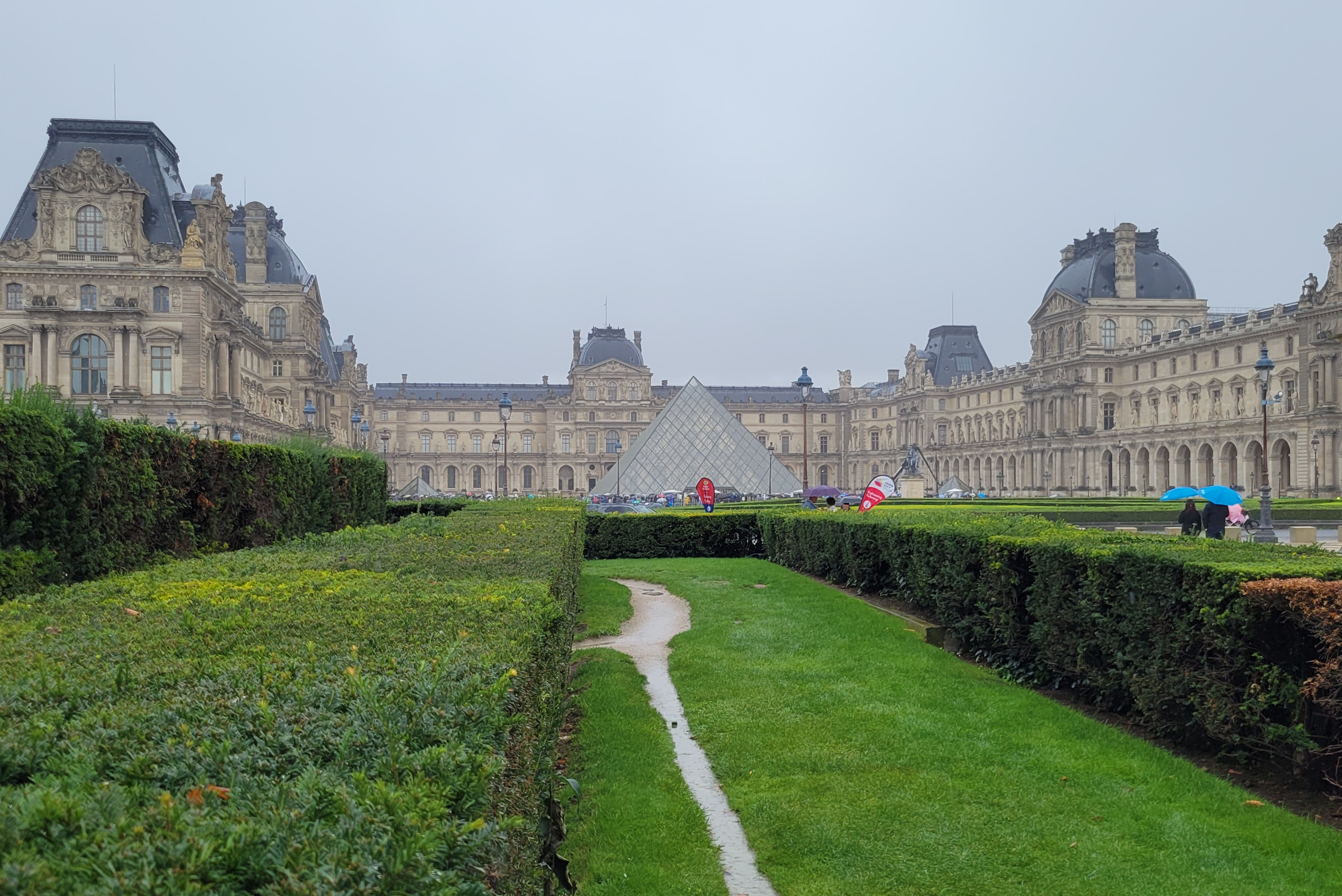
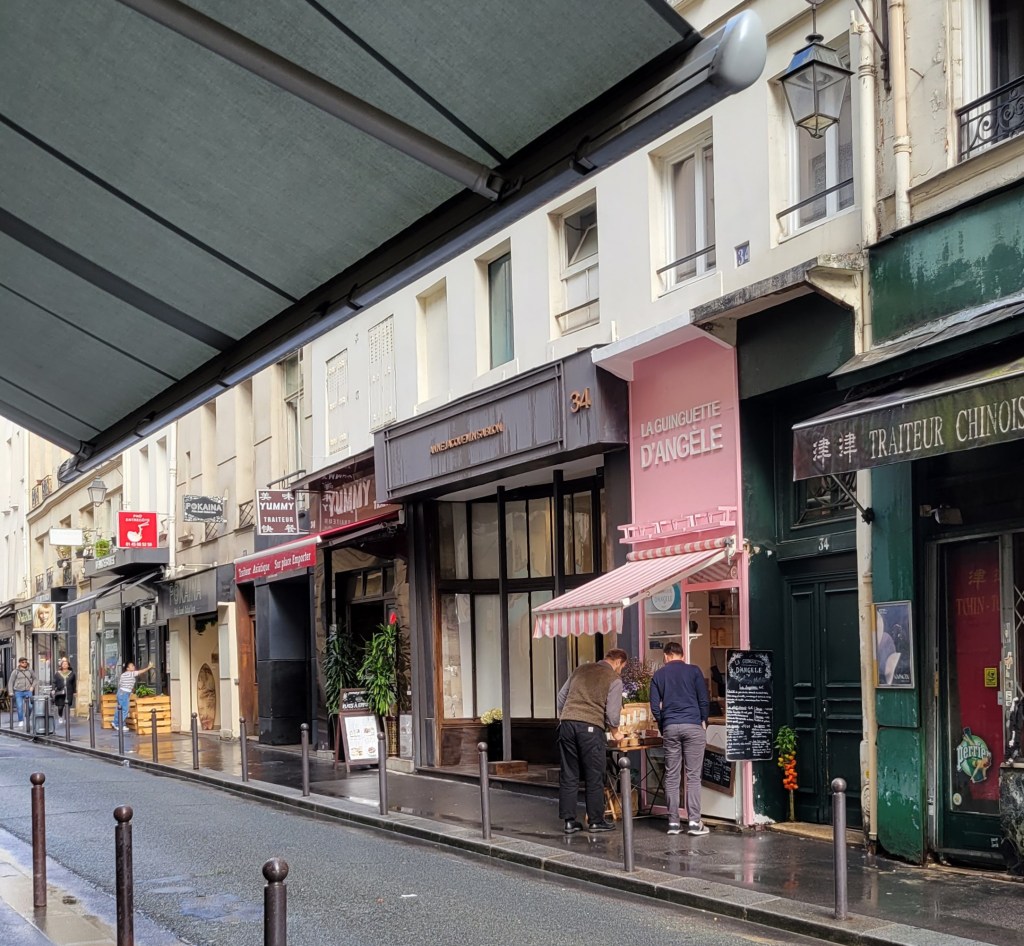
If you go as far as France, you go to Paris. It’s beautiful in autumn.

Loire Valley
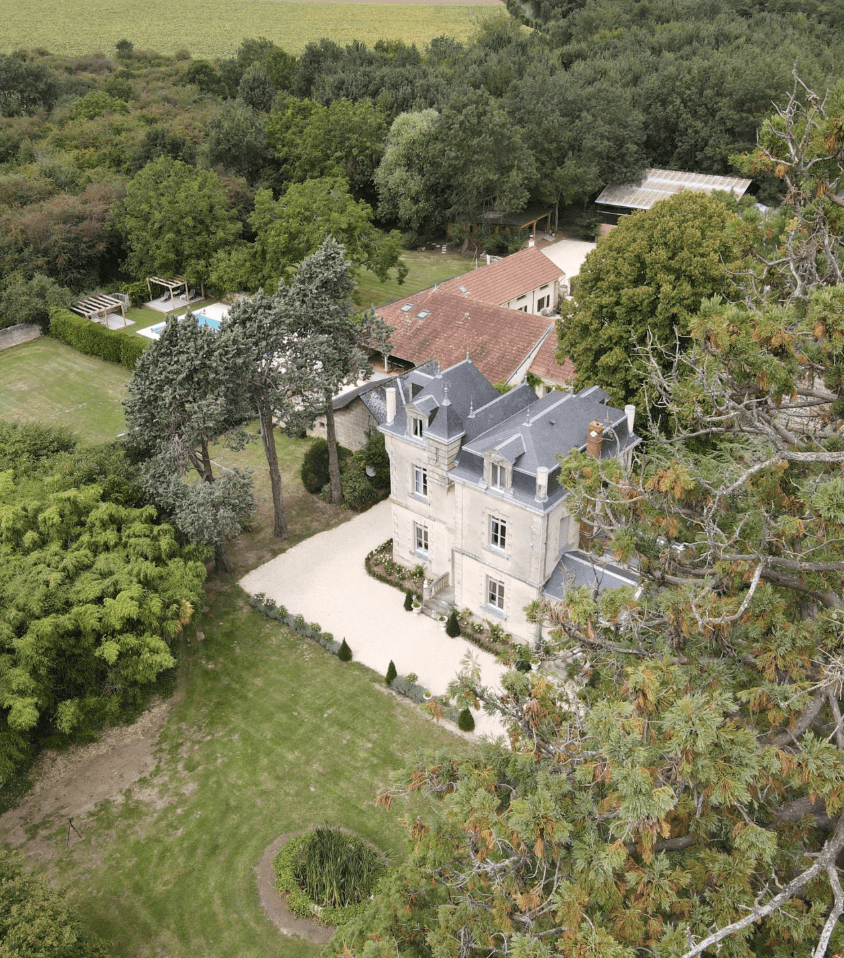
Chateau De la Vigne was built in 1877 and was home for the week that our little band of painters laughed, learned, and explored. And ATE! Not only did hosts Guy and May Simpkin provide us with the warmest welcome and most peaceful space, but May is a registered nutritionist and amazing chef.
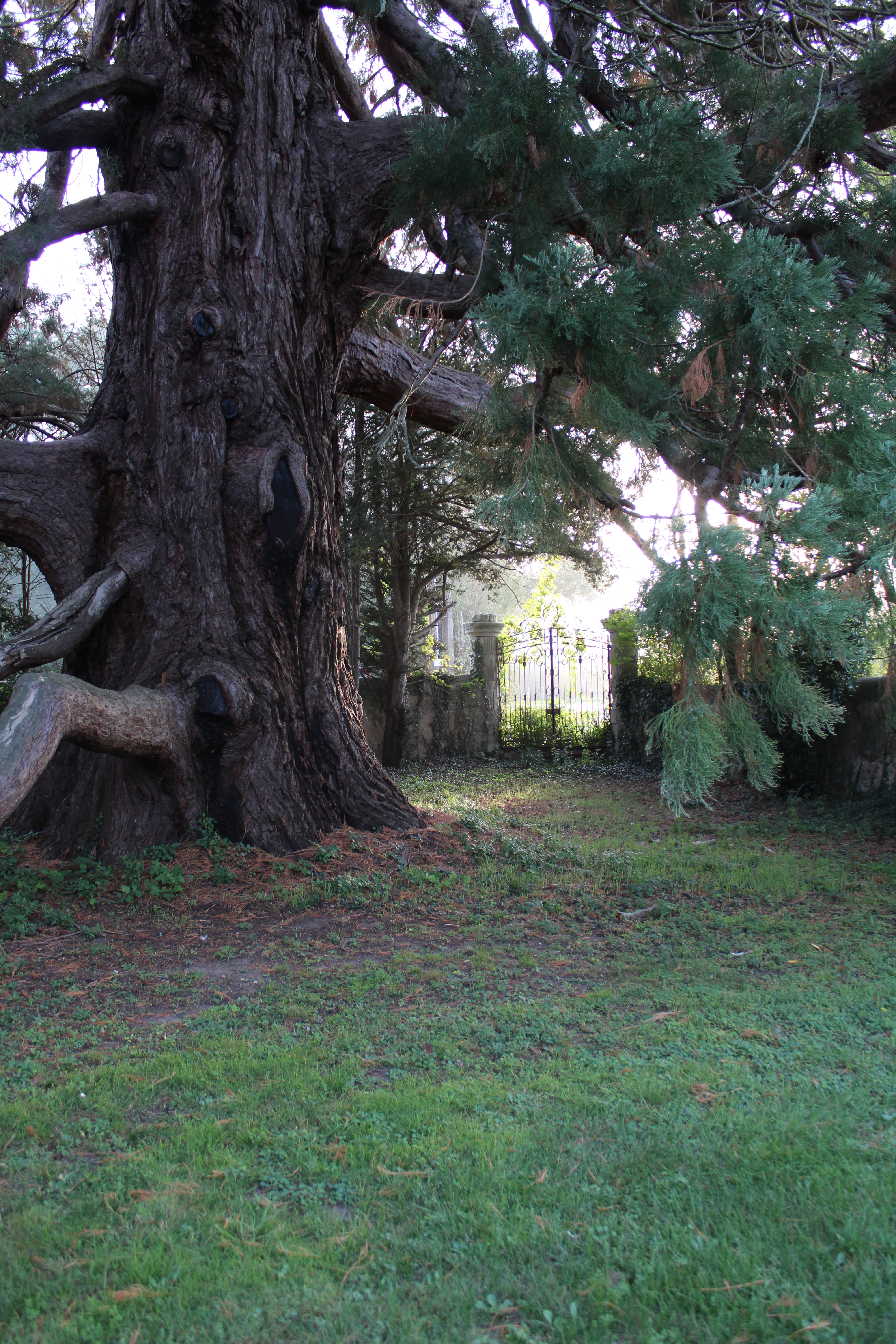
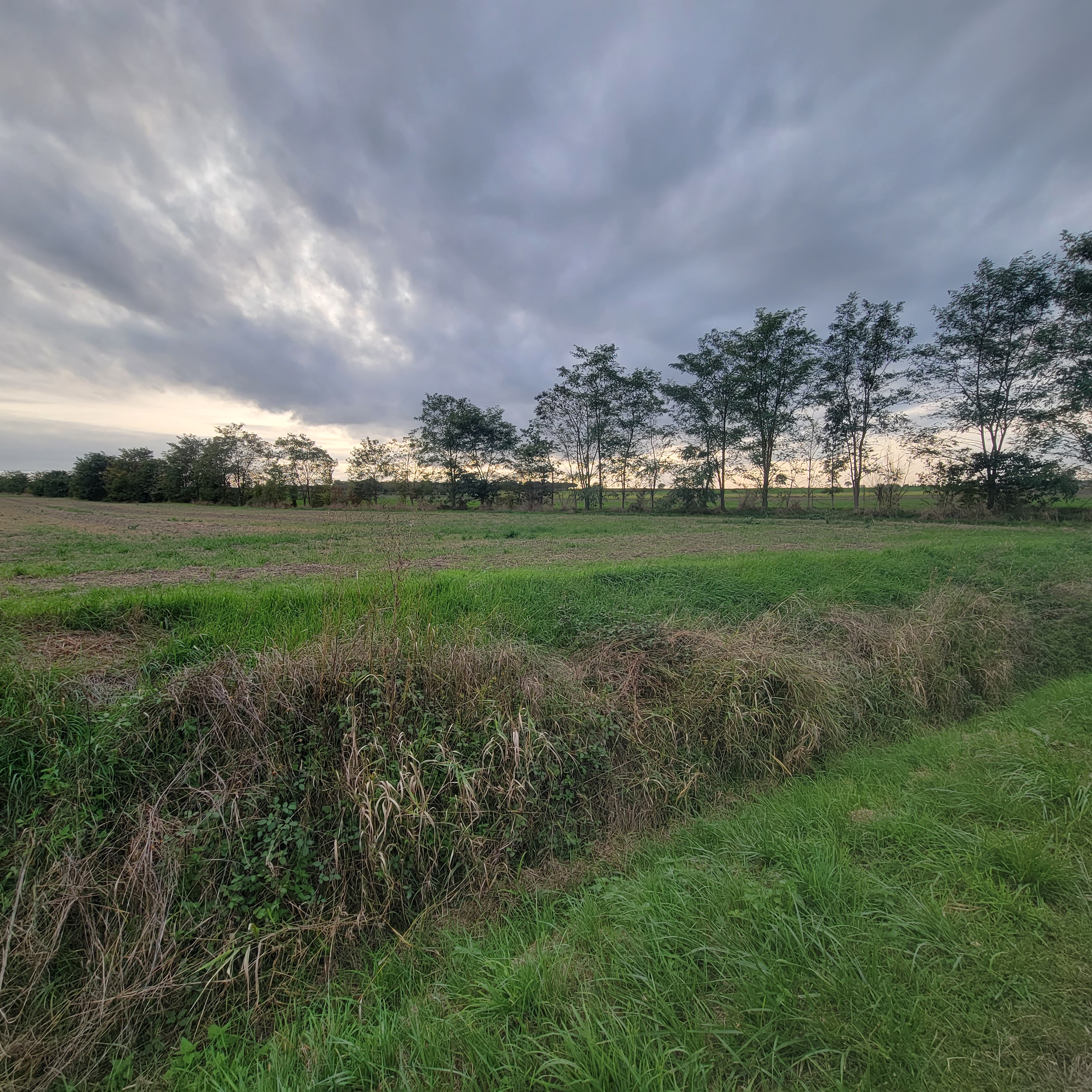
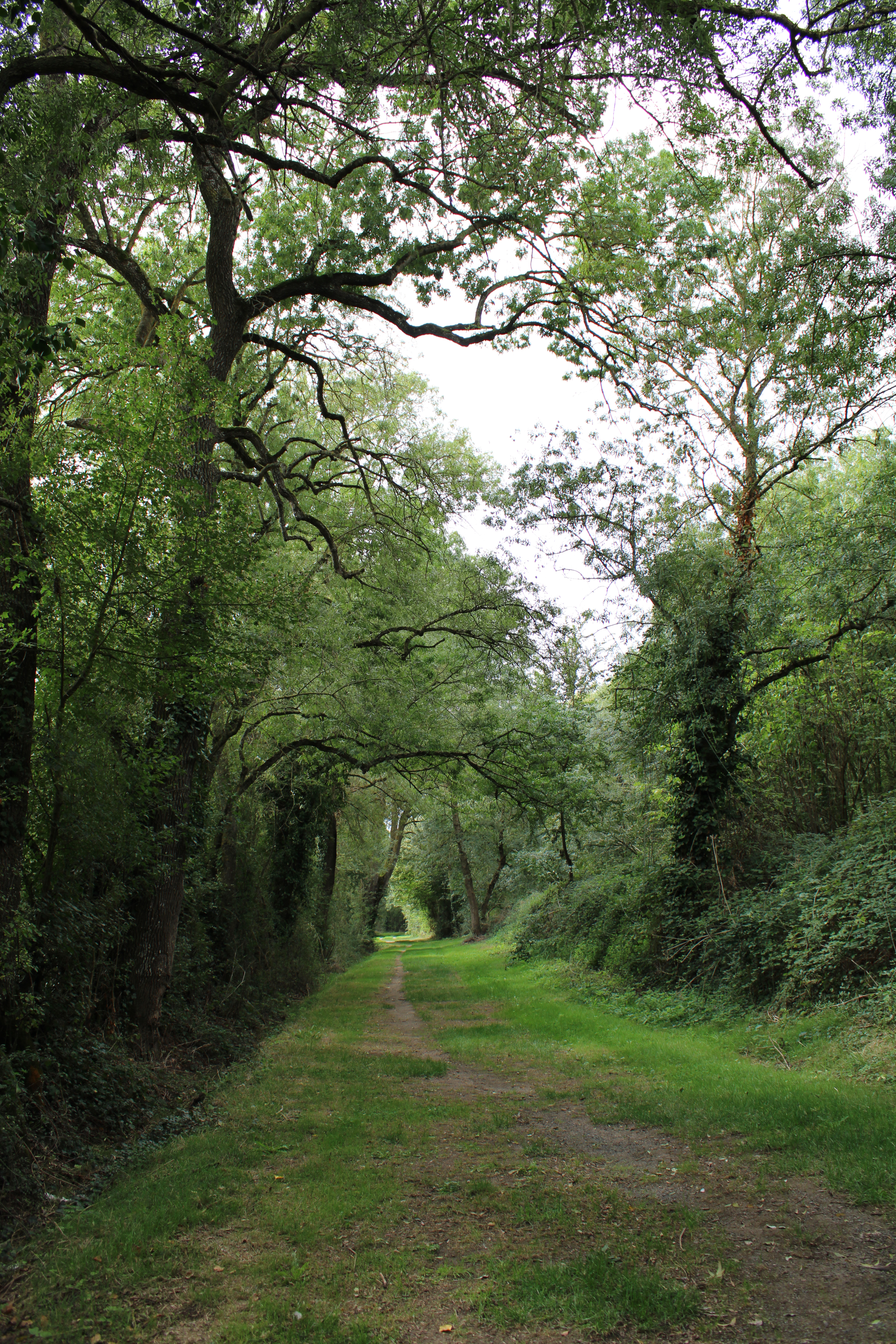
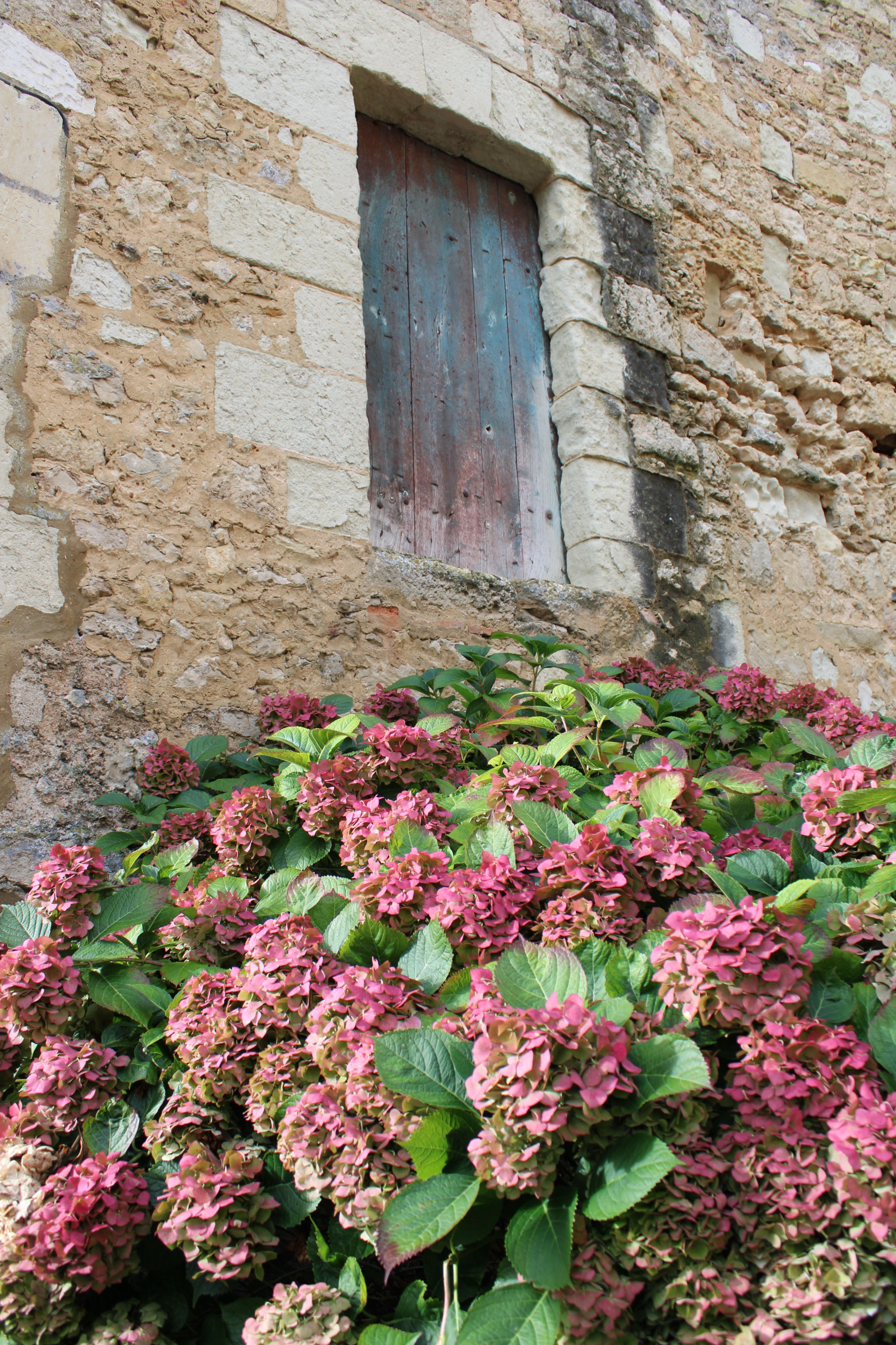
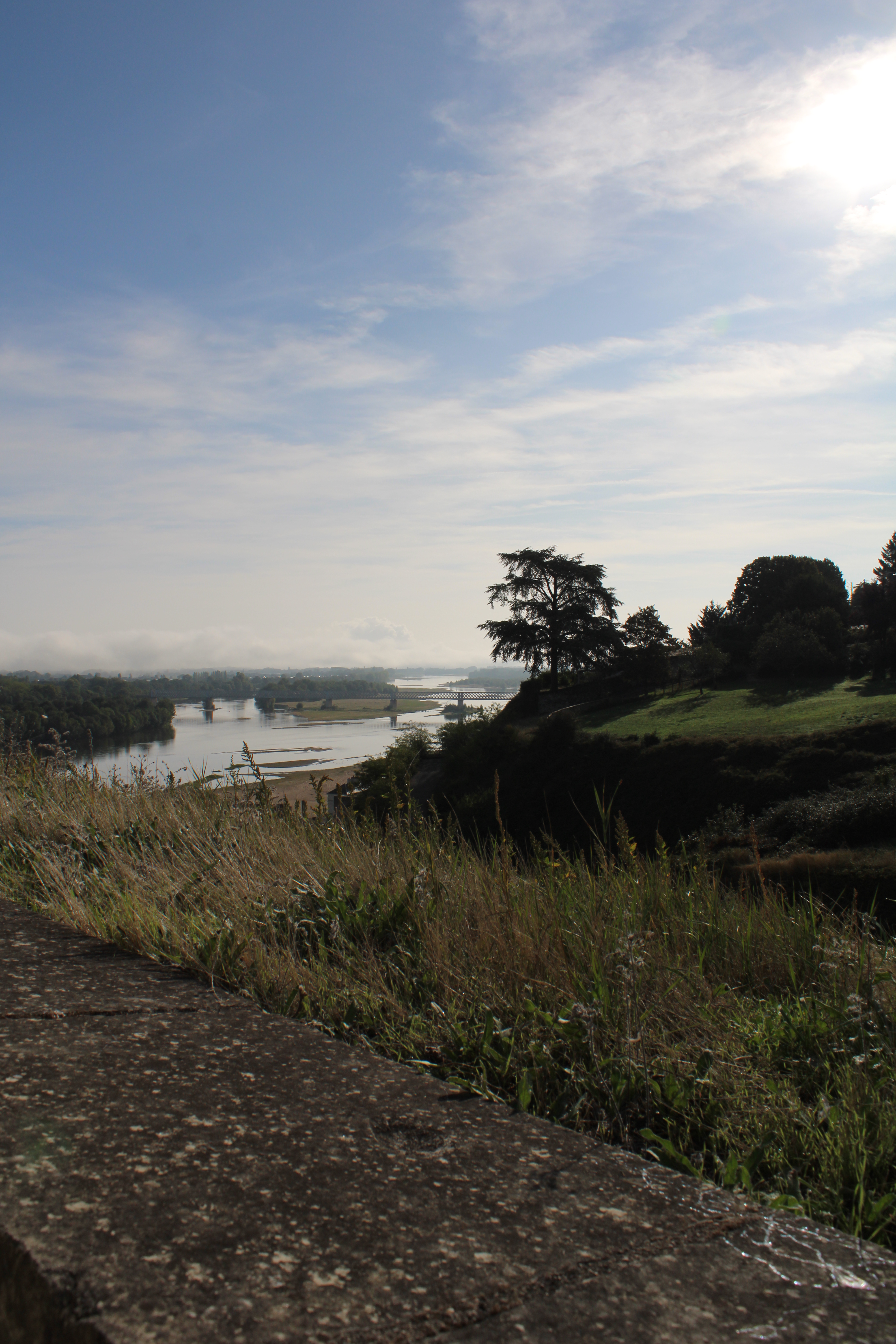
The chateau is surrounded by farmland and vineyards (we had a wine tasting one evening, of course!), and it’s a five-minute walk to the closest village, Concourson-sur-Layon. During our week, we also visited the 11th-century Montreuil-Bellay chateau and the 13th-century Saumur chateau.

Mont Saint-Michel
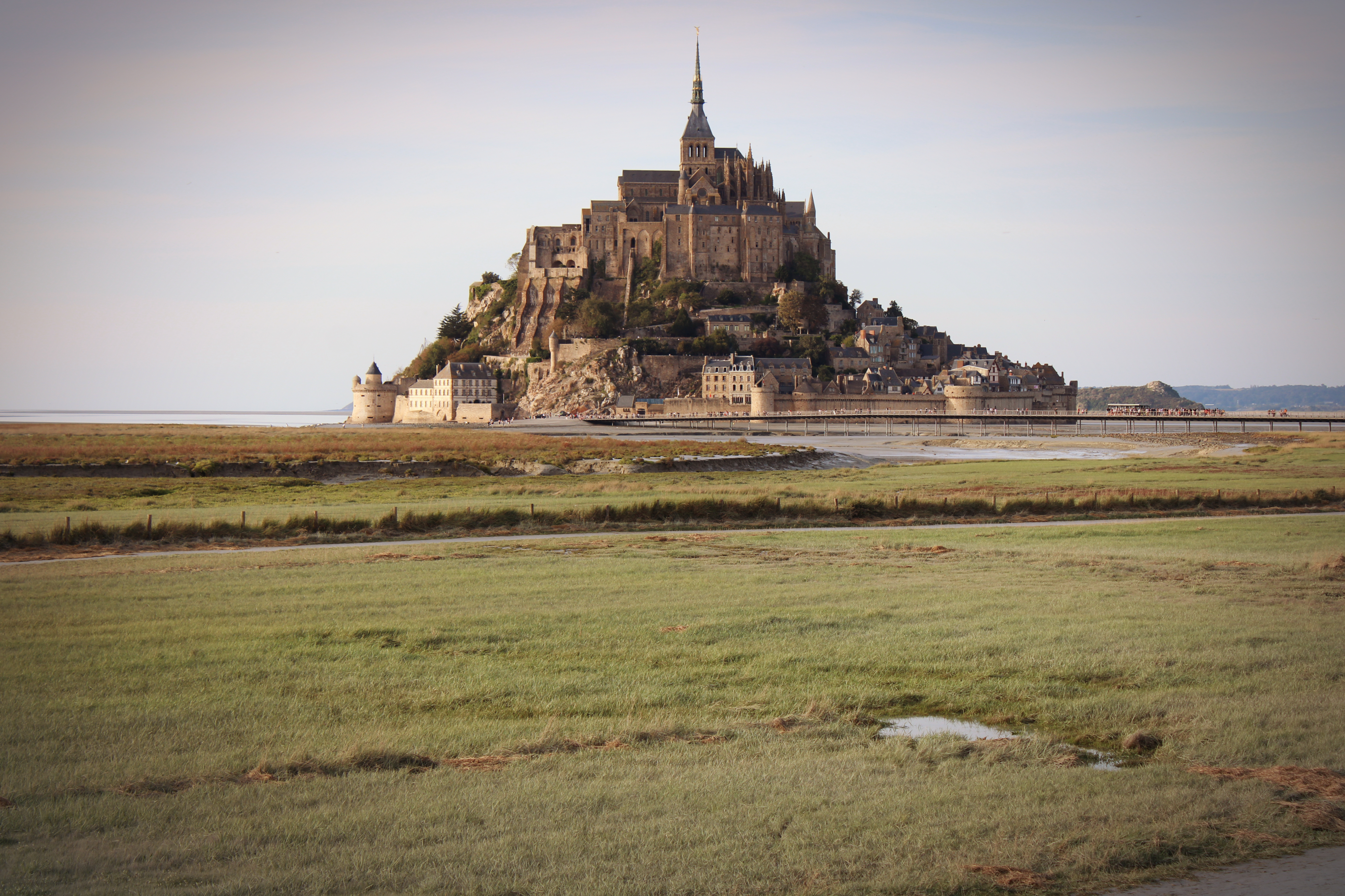
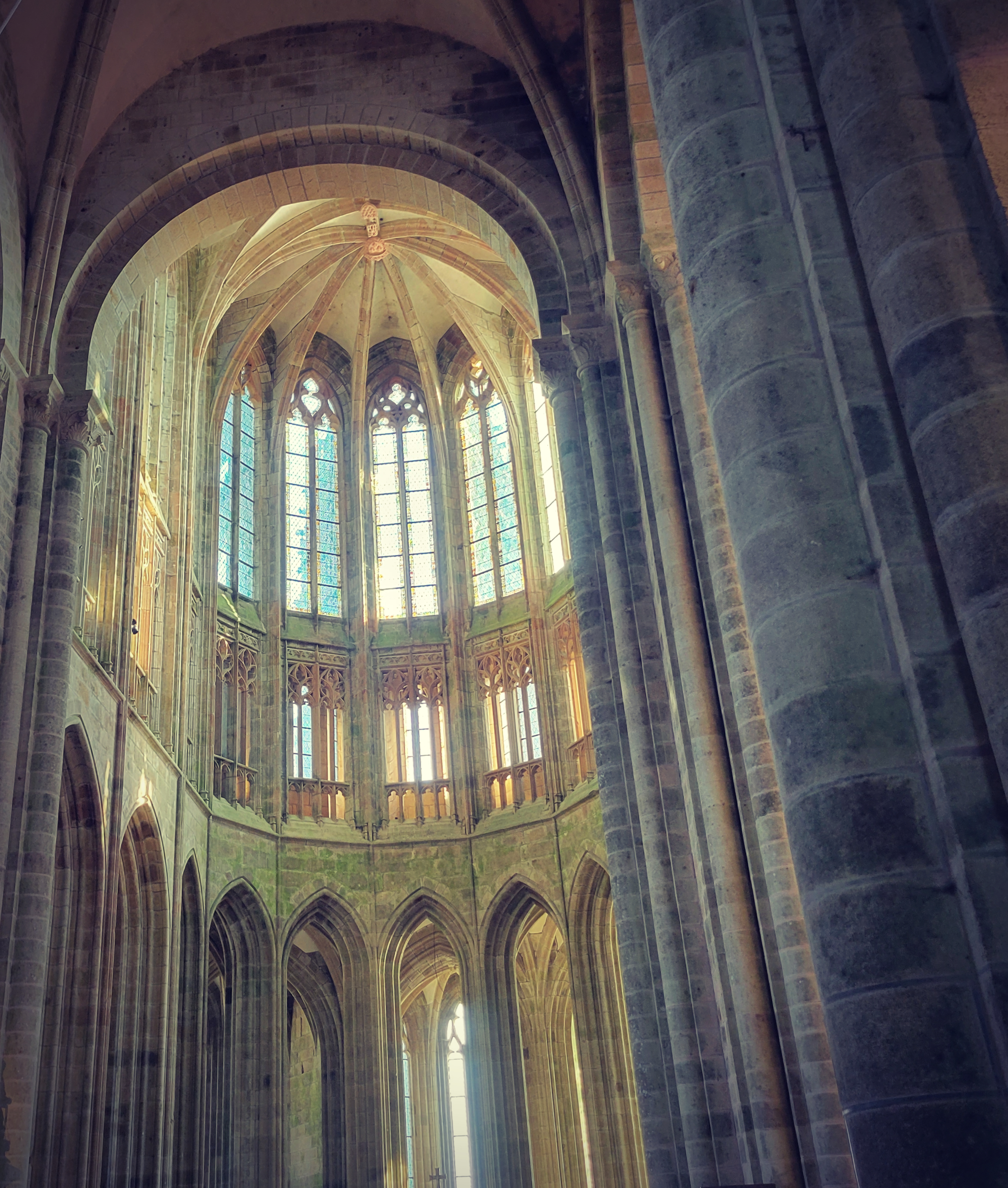
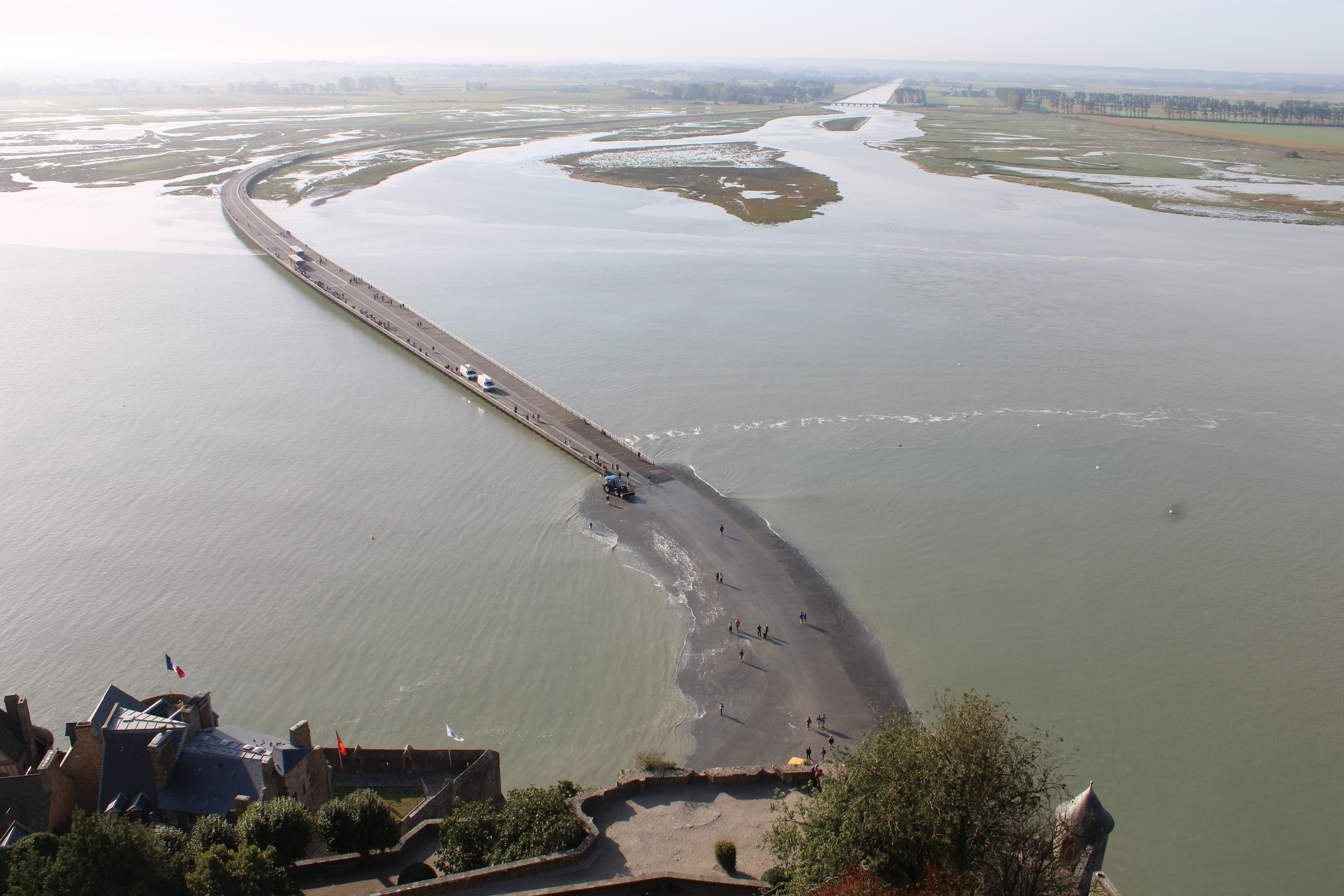
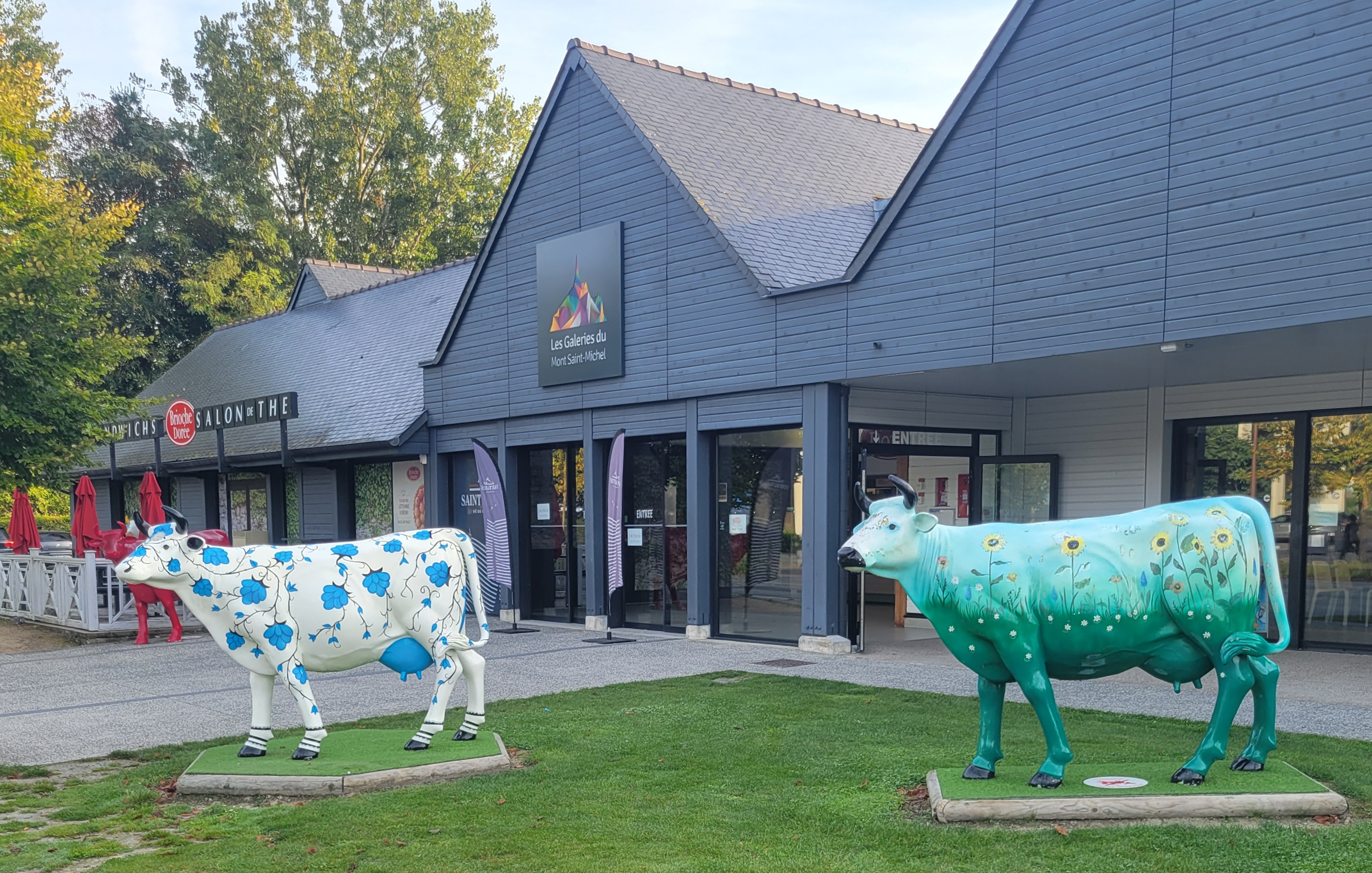
This 1,000-year-old UNESCO World Heritage Site defies description, and the hike to the abbey at the top was more than worth the blister. Amazon has a great free documentary that describes the site’s history: Mont Saint-Michel: Resistance Through the Ages. And for fantastic shots, Google drone photos of Mont Saint-Michel.
Bayeux
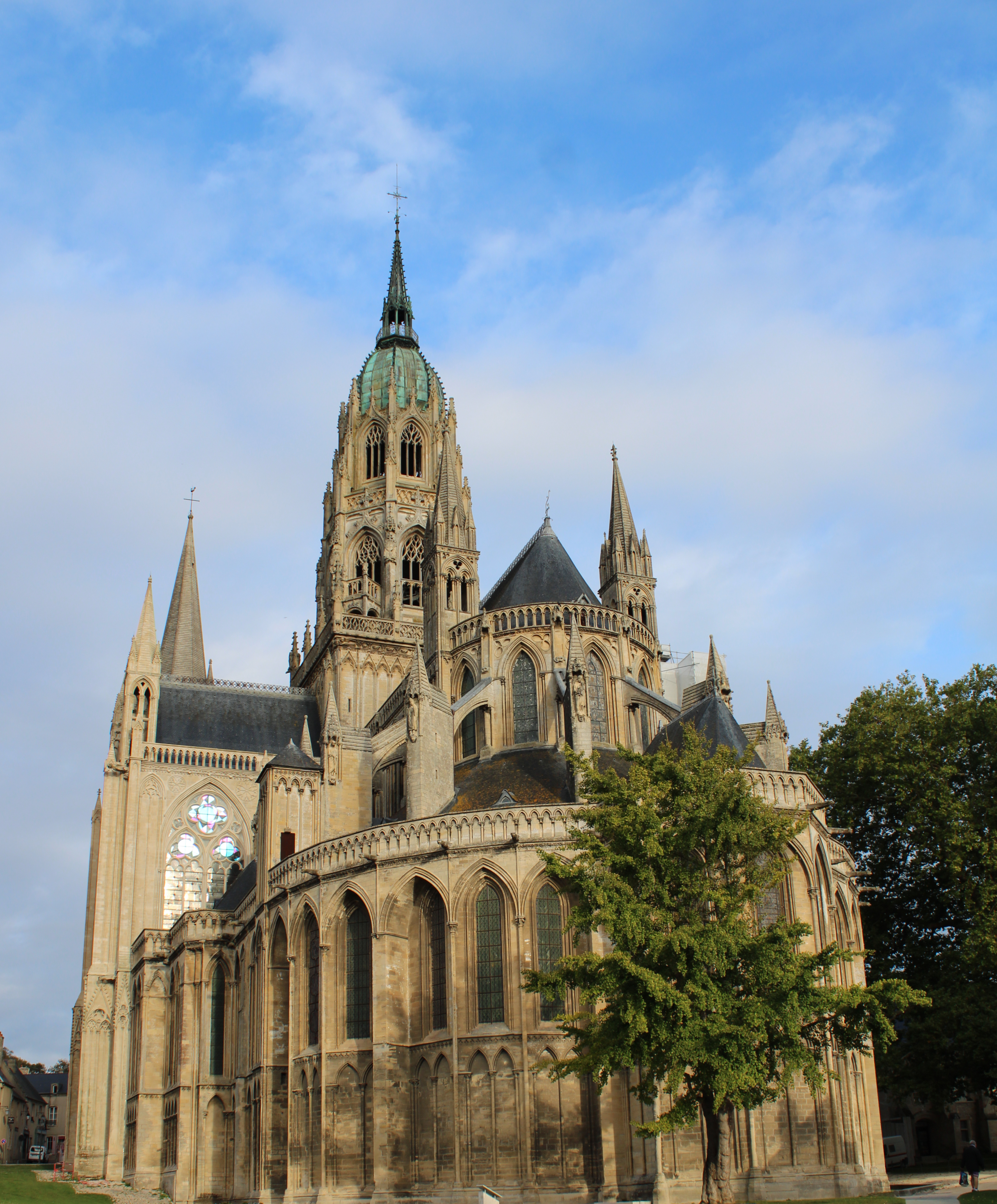
Bayeux is home to the 11th-century Bayeux Tapestry (no pics allowed, but you can explore it online: Animated & Interactive Bayeux Tapestry).
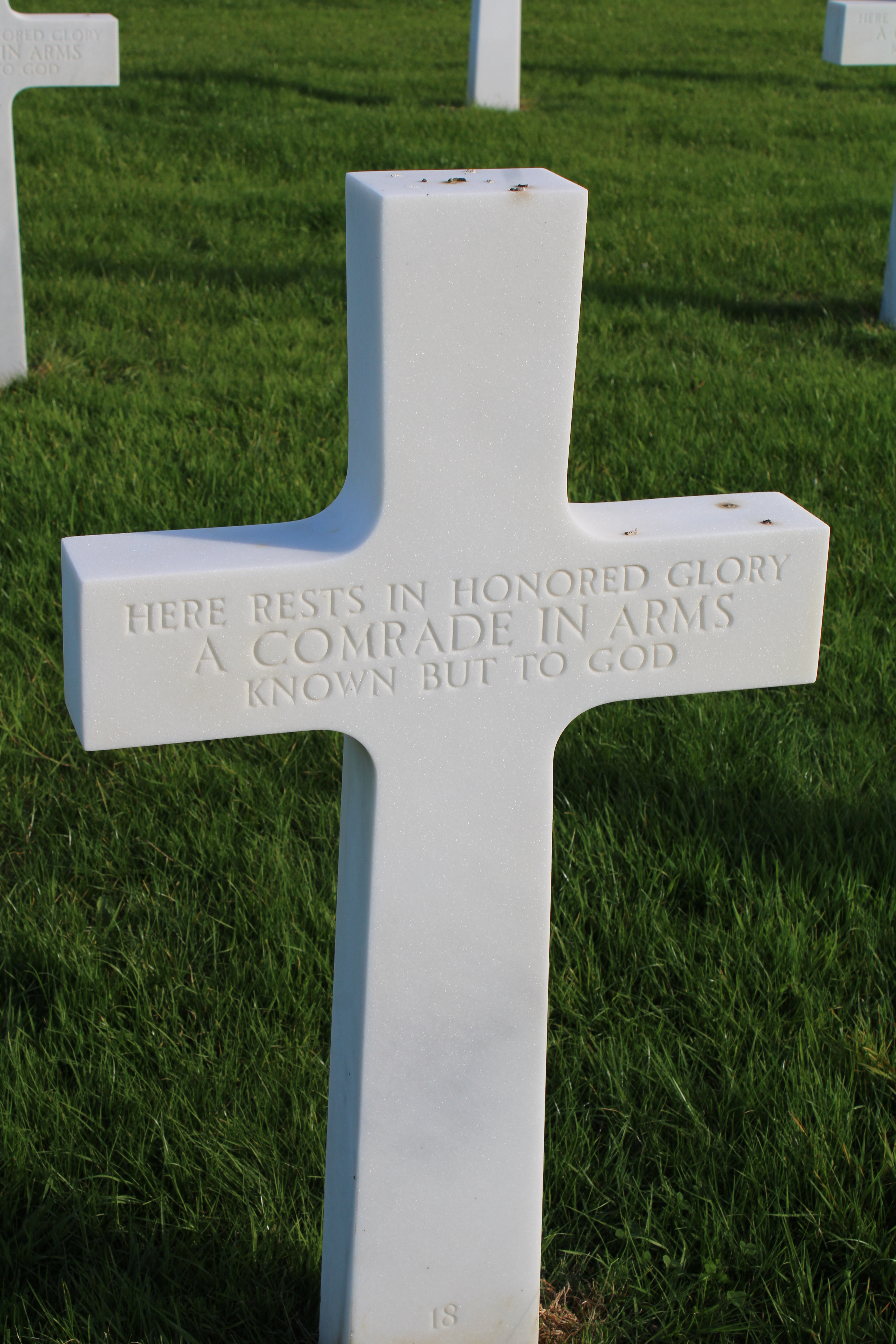
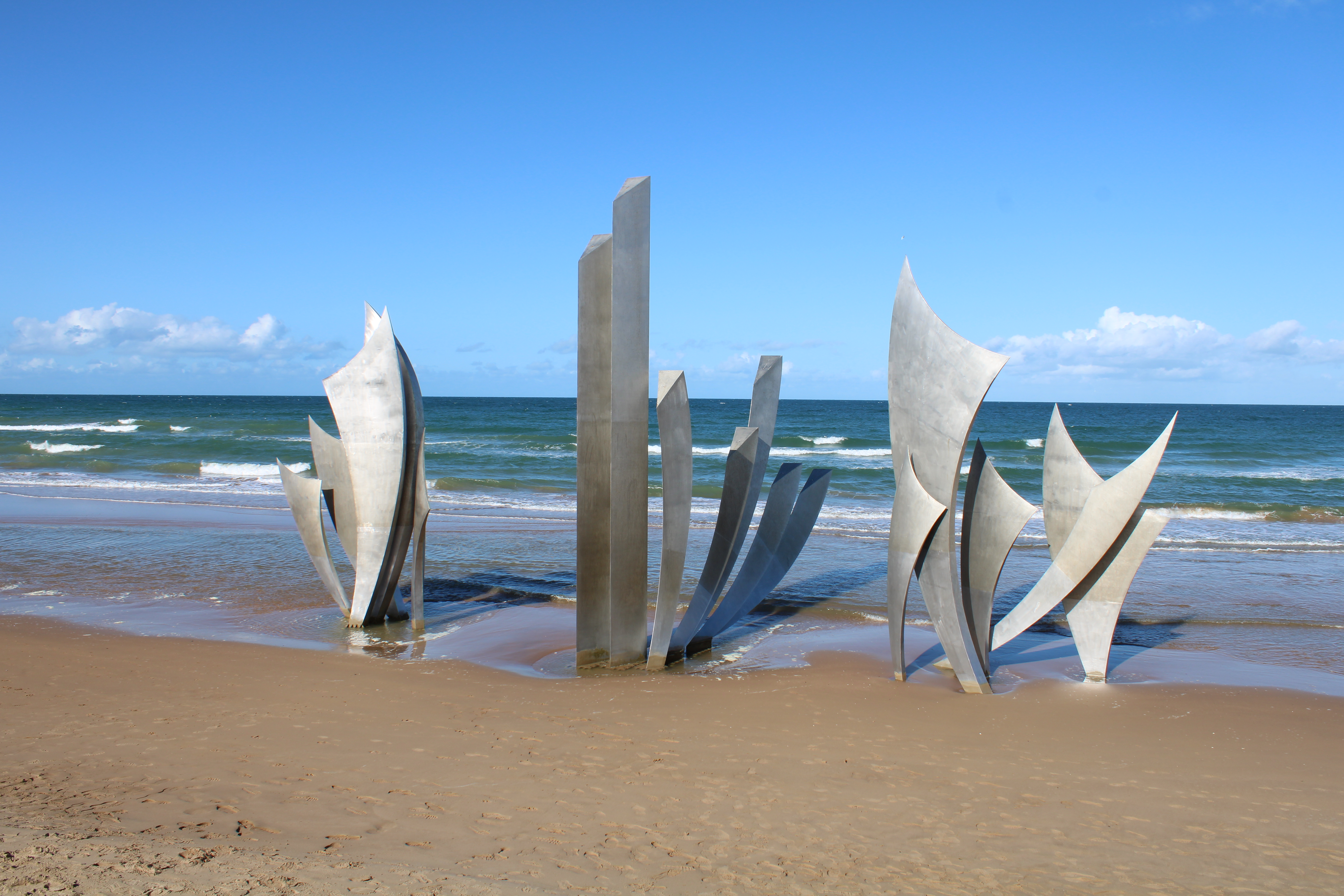
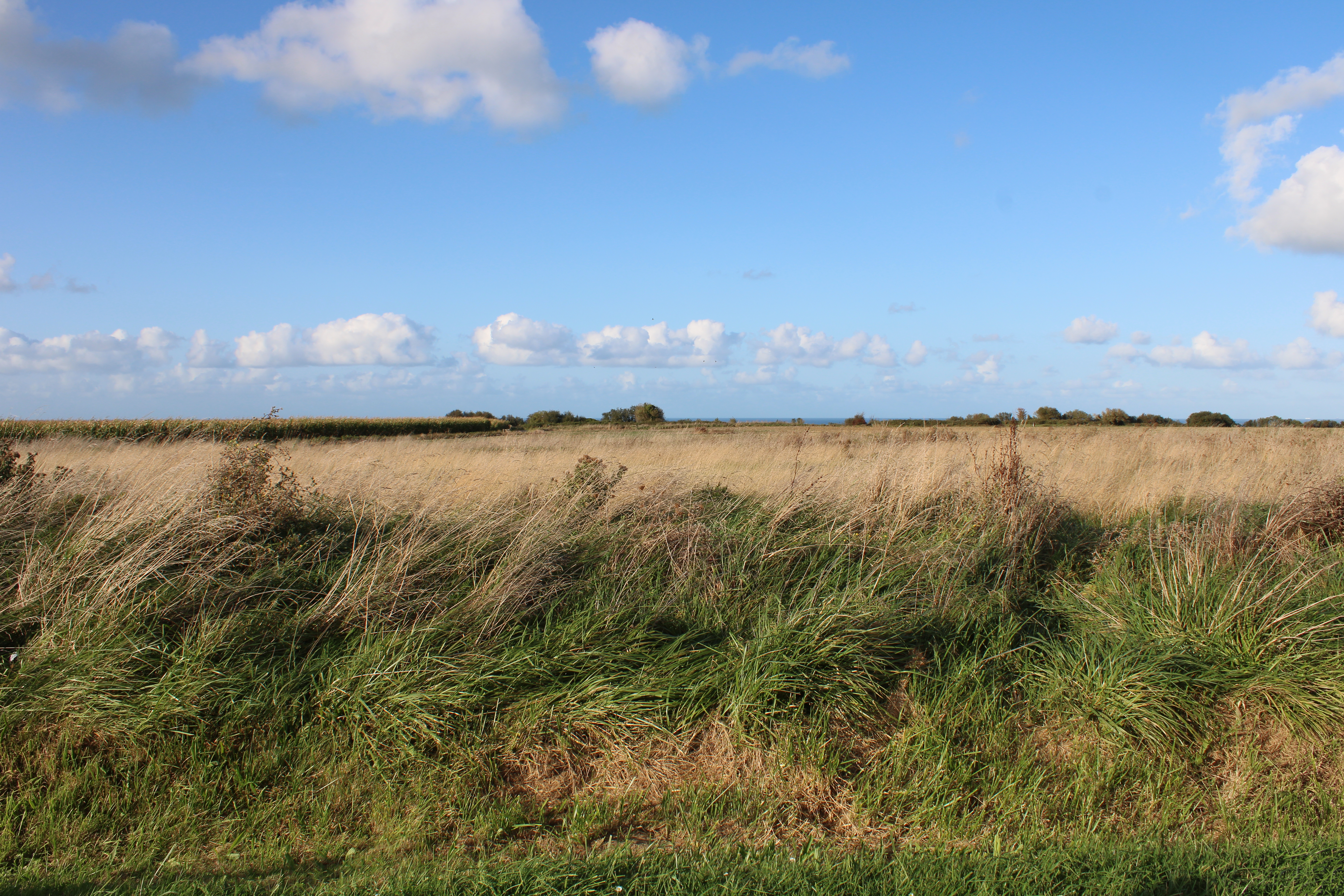
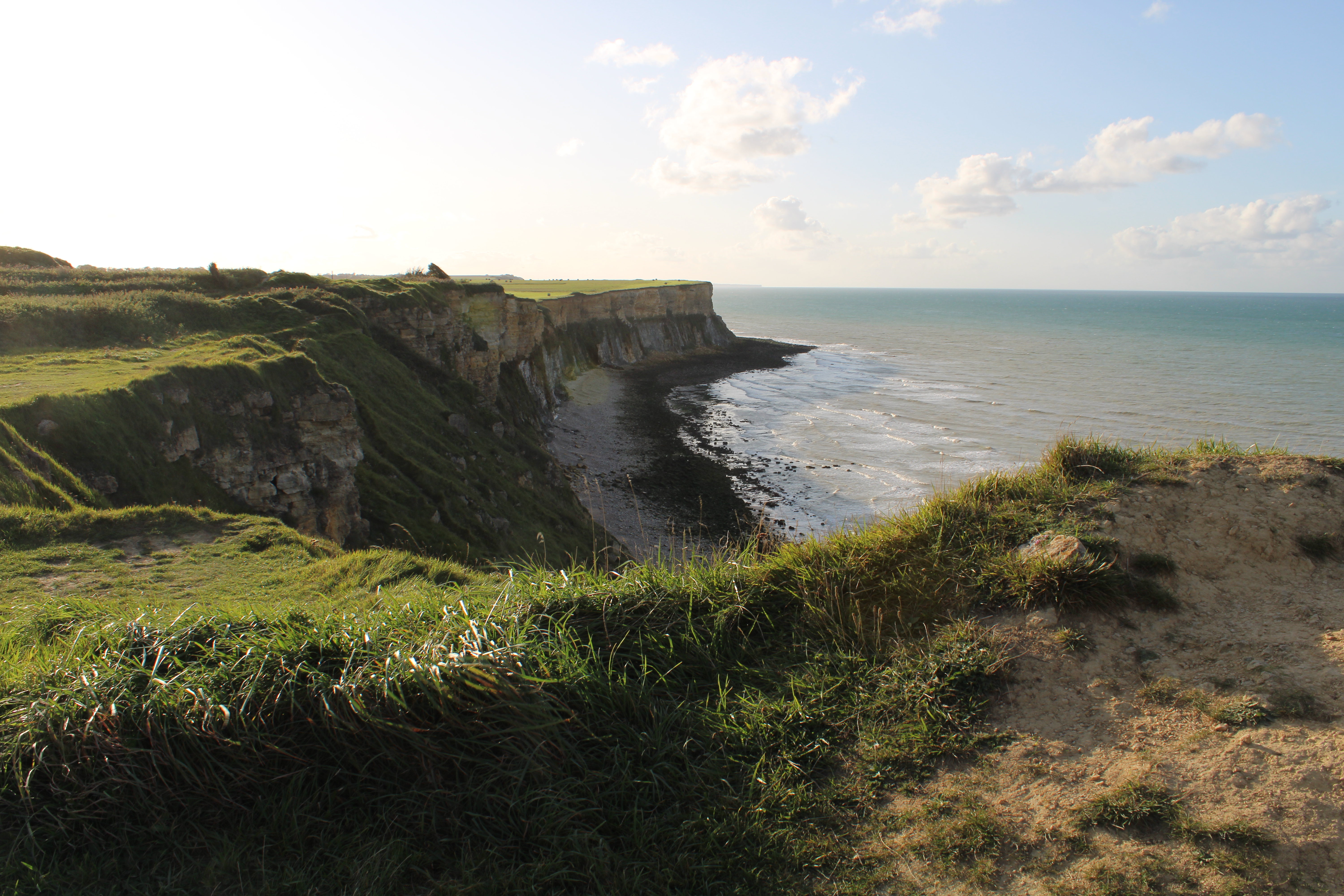
Even more meaningful is Bayeux’s close proximity to the beaches of Normandy. I joined a half-day D-Day tour but could easily have spent a week. We went to Pointe du Hoc, Omaha Beach, and through several small villages along the coast to Mulberry Harbor. We also visited a German cemetery and the Normandy American Cemetery and Memorial.
If you’d like to learn more (in brief), I recommend:
- Normandy American Cemetery and Memorial
- 3-minute Rick Steves overview of Bayeux and Normandy beaches
- 7-minute aerial footage of Pointe du Hoc and Normandy American Cemetery
Giverny
I went to Giverny to see Monet’s Garden, which was beautiful. And where I stayed that night was equally amazing.
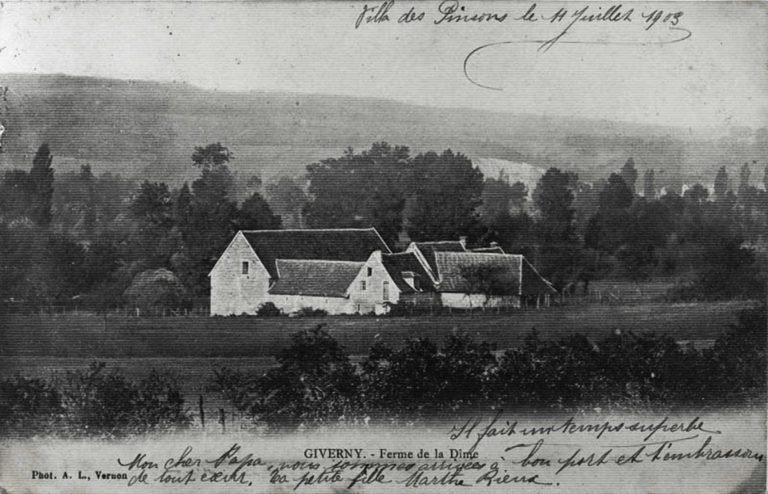
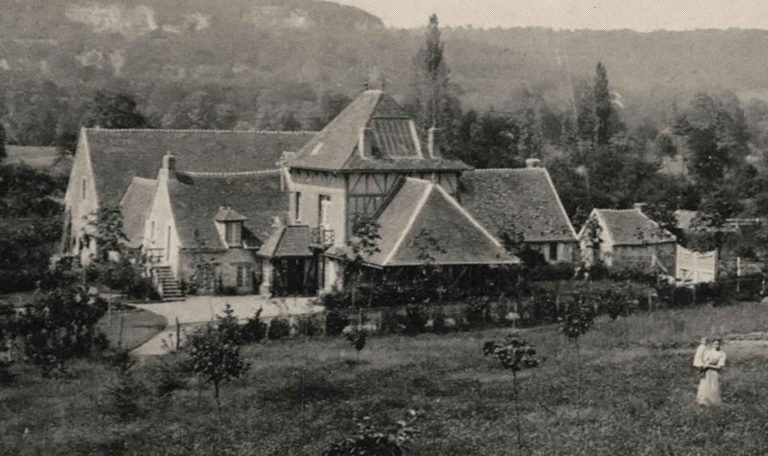
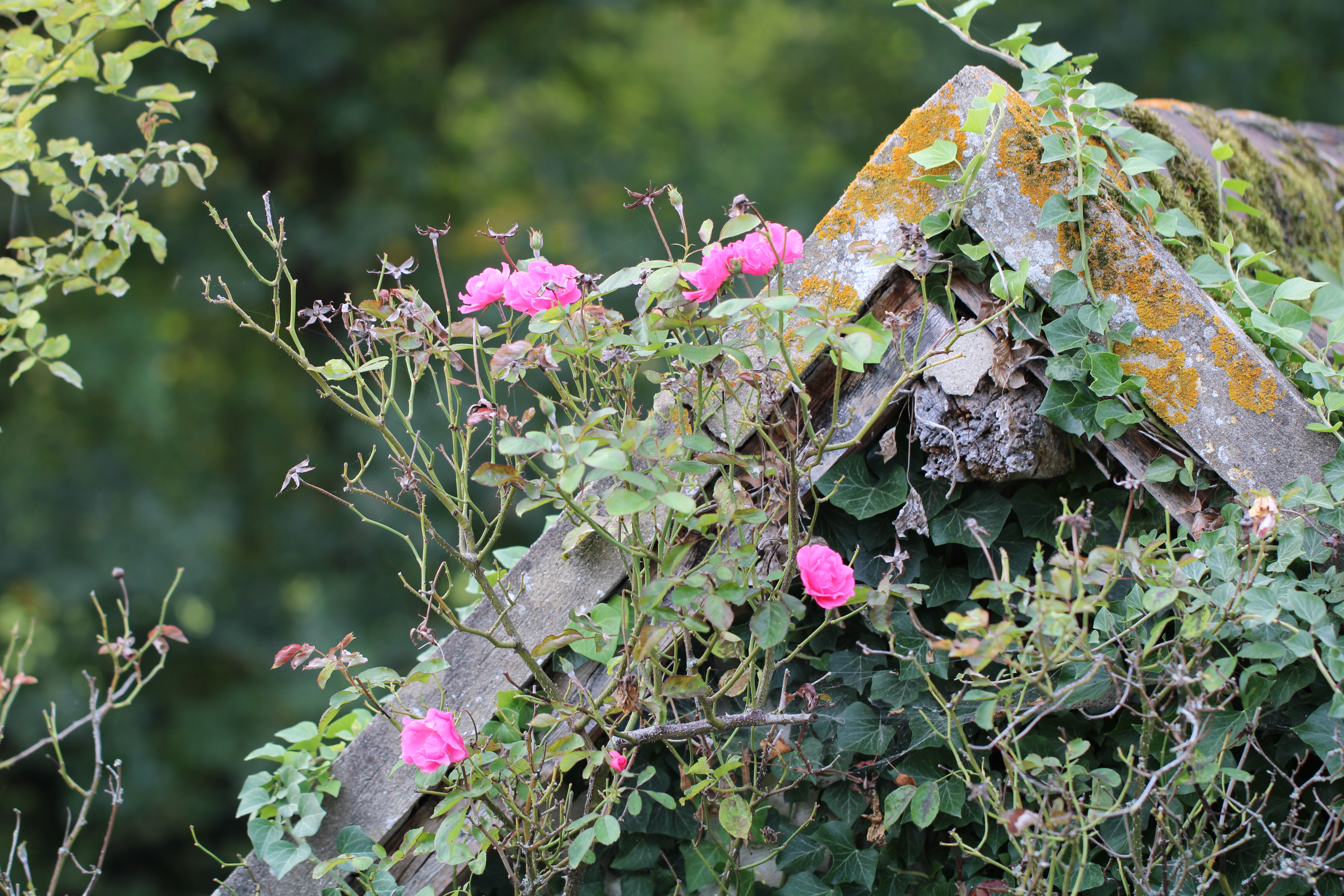
La Dime de Giverny — The Tithe of Giverny — was built in the 1200s to store one-tenth of livestock and crop production before redistribution to secular clergy of the Abbey of Saint-Ouen in Rouen. It was turned into a farmhouse after the French Revolution.

The balance of yes and no
We tend to see things as black and white — either this or this. But that binary thinking doesn’t work for all of life. We often find greatest meaning in the middle ground where both this and this have a place.
My time preparing for France, being in France, and being back in the States did much to help me understand that the same principle applies to my yeses and nos.
I don’t say yes OR no to something. Instead, in saying yes-to-this, I also (AND) say no-to-this. The same if I say no: In saying no to something, I’m at the same time (AND) saying yes to its converse. For example, I don’t say, “Am I nervous or not?” Instead, I say, “Am I nervous and can I do something about it?”
The distinction may be subtle, but it frames for me the balanced reality that’s more common than a strict yes OR no. It made my trip much more meaningful. And it’s given me a calmer outlook since returning home.
No to fear, and yes to calculated risk
The biggest question mark when considering this trip was whether I could go alone, especially not speaking French. I’d be with others during the painting retreat, but I’d be solo for anywhere else I wanted to go, anything else I wanted to see.
I knew the benefits of journeying together — having someone watch the luggage during runs to the restroom, having someone to problem-solve with, having someone who spoke my language, having someone to share discoveries in real time. But traveling with others can also be stressful.
I’m grateful to have reached an age where I know myself well enough to weigh risks and benefits and not be afraid to embrace how God wired me: I’m not one for small talk, and I process in silence. If I wanted to fully enjoy this trip, it would mean going alone.
I could say no to my anxiety by saying, Yes, this feels scary, AND I can do something about it. I had months to learn enough French to get around; to map out what I wanted to see and decide what needed an organized tour and what could be just strolled; to book hotels; to study up on locations and customs; and to figure out transportation.
Yes to limitations, and no to shame or frustration
Author Kathi Lipp shares about the importance of carrying your own jam jar. She wrote of an elementary-aged boy joining their family camping trip. He was severely allergic to peanut butter so brought his own jar of jam, complete with skull and crossbones drawn on the front, to avoid cross-contamination. Kathi was impressed that this child had learned at an early age to do what he needed for his health and well-being, even if it made him conspicuous.
That story has stayed with me for years, and it became even more dear to me during this trip because I have my own health limitations that mean, in part, no gluten or dairy. But I was going to FRANCE! Croissants, baguettes, cheese, butter!
Now, my restrictions are based on inflammatory issues, not allergies. So (and this could certainly also fall under the category of calculated risk) I decided I’d do OK with most foods, even if a few modifications were needed. At the same time, I knew that the French don’t snack between meals and that I might have a harder time finding safe-enough food in smaller villages.
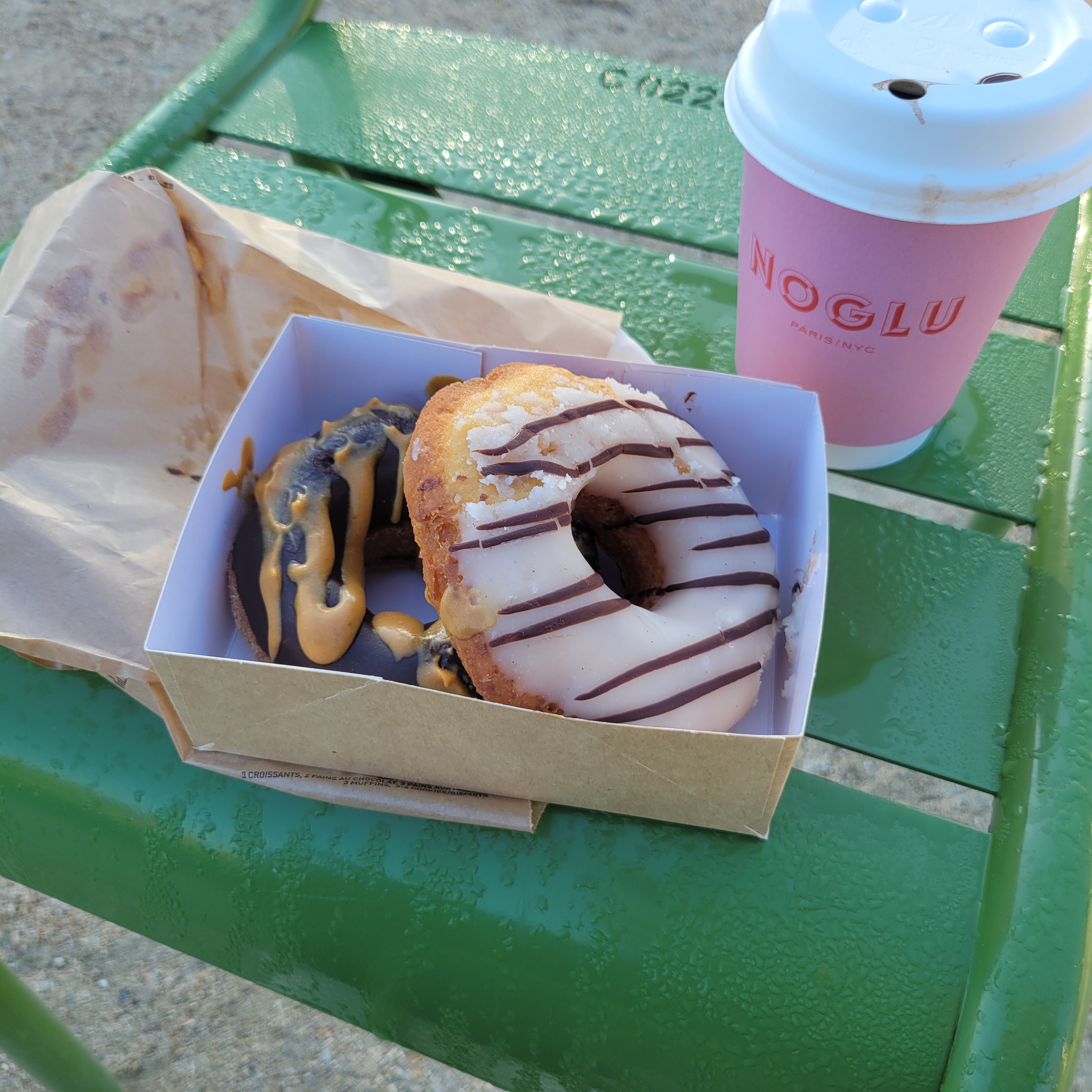
For me, that meant researching restaurants ahead of time. It also meant taking my own snacks that could tide me over or be a meal in a pinch (no microwaves or refrigerators in most French hotels).
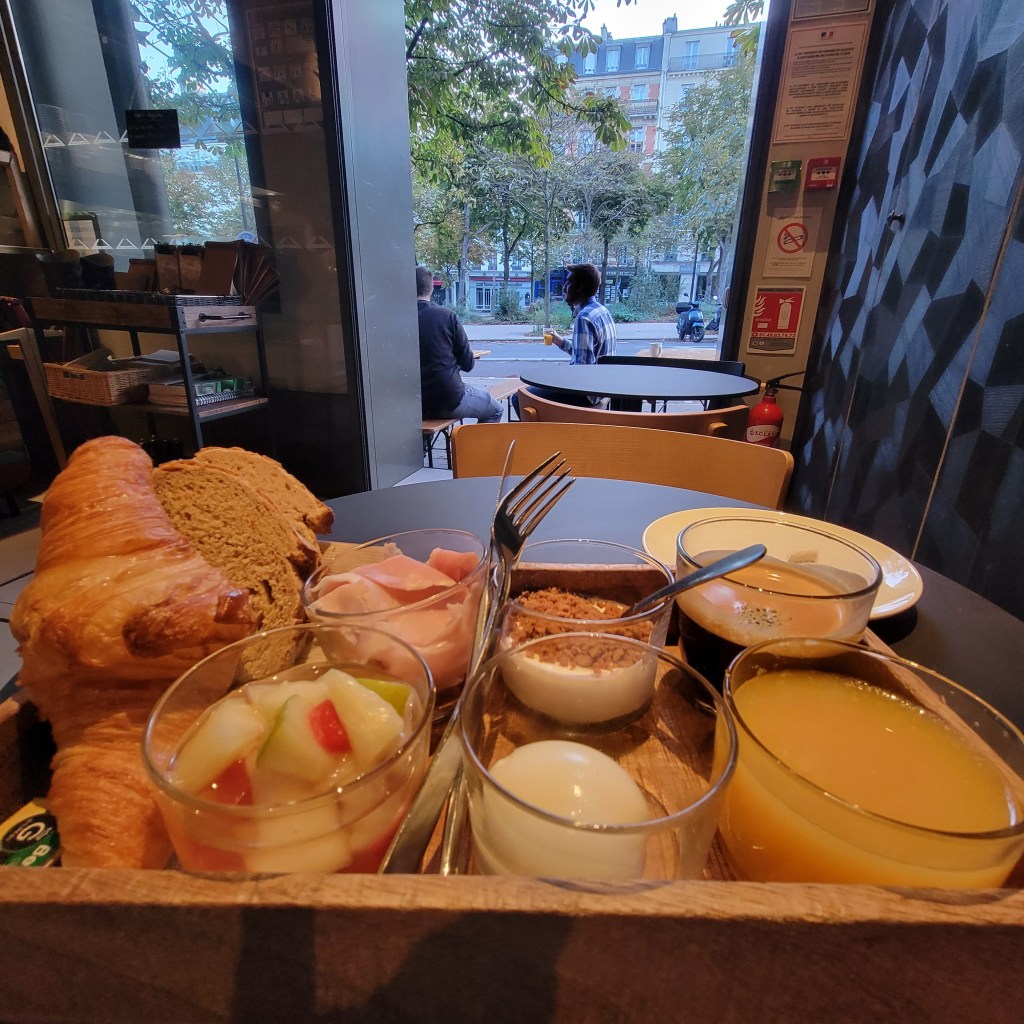
The planning paid off. Knowing which restaurants I could visit and knowing I could dig into the snack bag anytime gave me courage to explore unexpected opportunities that came along — including a fantastic experience using the French version of DoorDash a couple of nights in Paris — and to enjoy a few bites of bread and butter each day!
Another limitation I faced was transportation. Given the less-than-consistent train schedules and my necessarily massive luggage, I needed another option to get between cities. In the end, I splurged on private drivers, and the decision was invaluable. The company was reliable, the drivers were helpful and kind, and I was able to see much more of the countryside than I might have otherwise. When I’m tempted to feel embarrassed by the seeming opulence of that choice, I remind myself that I had wisely embraced my limitations with confidence.

When Paul wrote about not thinking more highly of ourselves than we ought (Romans 12:3), he was making a very general statement about limiting our grandiosity and pride by cultivating a realistic sense of our essential nature. He was talking about being willing to live within the limits and the possibilities of who we really are. …
Living graciously within the boundaries of our life as it has been entrusted to us gives our life substance. Oddly enough, something of the will of God is contained in the very limits that we often try to sidestep or ignore. Living within limits is not in any way an acquiescence that is despairing, passive, or fatalistic. Rather it honors the deepest realities of the life God has given us. Life in this body at this age and stage. Life in our family at its age and stage. Life in this personality. Life with this community. Life in the midst of this calling.
~Ruth Haley Barton, Strengthening the Soul of Your Leadership
Yes to wistfulness and uncertainty, and no to despair
Like many souls on this earth, I fight for joy. I’m more prone to realism than optimism because of the struggles that can happen in life; they’ve been mine firsthand. So, what if all my planning led to nothing and the trip was nixed?
Added to that, I love visiting Europe and have come back from each trip fairly devastated and longing for (hopefully) the next time. For me, it’s the history, the scenery, the people, the pace — and the wonderfully low altitude with high humidity that’s the exact opposite of Colorado!
In preparing to go to France, then, these two things were top of mind: 1) Yes, it’s OK to be happy and excited, and it’s good to have travel insurance and register my trip with the State Department. 2) Yes, I’d likely feel sad returning to the States, and I could incorporate what I appreciate about Europe into my outlook and routines.
Travel should never be escapism; it should lead to rest and meaningful change for the boundaries of daily life.
Hiraeth is often likened to nostalgia. … It combines elements of homesickness, nostalgia and longing. Interlaced, however, is the subtle acknowledgment of an irretrievable loss – a unique blend of place, time and people that can never be recreated. This unreachable nature adds an element of grief, but somehow it is not entirely unwelcome. …
It’s a kind of longing for a person, a place or a time that you can’t get back to, a kind of unattainable longing. … Hiraeth is the music you play constantly in your head hoping that you do not forget – it’s a place of comfort that you always return to. It can give you an idea of how you want to live, so you can try to embody that happiness and bring it with you into everyday life.
~ Lily Crossley-Baxter, The Untranslatable Word That Connects Wales
No to arrogance, and yes to effort and appreciation
Travel is about things being different. Even if you’re only going to a friend’s house next door, it will be different from your home. Different routine, different food, different expectations. So why wouldn’t we expect travelling overseas to be very different, especially to countries where English isn’t the predominant language?
Smoking and vaping are common in France. The hotels usually only have stairs. The ancient architecture and city layouts are what they are; watch your step, and don’t expect signs to babysit you at every turn. Restrooms (toilettes) are different. Don’t be surprised to see men and women using the same restroom; the individual water closets have doors and walls from floor to ceiling, so you’re not as exposed as it can feel in the States.
The atmosphere is different. Morning mist is common and glorious. Clothes take forever to line dry. The food is different. Dinner usually isn’t served until at least 7:30 p.m. Chefs don’t take kindly to requests for modifications. Waitstaff make living wages, don’t expect tips, and will leave you alone during meals unless you need something. Locals aren’t necessarily interested in small talk with tourists, but they expect you to be polite. And when they do talk, they do so in much quieter voices than here in the States.
The differences are many and wonderful and should be appreciated. After all, why would we spend time and money to go somewhere exactly like our backyard? And why would we not make the smallest effort to embrace those distinctions?
During the painting retreat, one participant from England told me how nice it was to get to know me — that she’d come into the week with a certain image of Americans in mind. I asked if she felt comfortable sharing what she’d expected, and she said she thought we’d all be loud. I was honored to break that stereotype for her, but the conversation reinforced the reality of Americans’ reputation among Europeans (especially the French).
I saw it firsthand in Bayeux, where so many visitors are Americans coming to experience D-Day sites. A lot of individuals were brash, demanding, inflexible, rude, and entitled. It broke my heart. If I’d made time to learn basic cultural differences beforehand, they could have, too — even if they learned nothing more than the importance and respect of saying bonjour when entering EVERY shop or restaurant.
No, I don’t like being around secondhand smoke. But I’m the guest, aren’t I? Why would I make a fuss? Yes, I prefer my beef cooked to a crisp. But I can go without a burger for three weeks rather than offend a chef. No, I’m not fluent in French. But I’m proud of myself for learning enough to demonstrate to locals that I meant well. That I valued and appreciated them and their culture.
When we travel, we’re the outsider. We depend on the kindness of strangers. We can reframe what feels different as new discoveries. And that humble posture can be lifechanging if we let it.
No to complacency, and yes to slowing down
I mentioned that I appreciate the pace of the European countries I’ve had the grace to visit. It’s the common thread for me, and there are two parts to it.
The first is a truly literal slowing down when in a new, different place. I walk quickly anyway, and I tend to rush in unfamiliar situations because I want people to think I know what I’m doing. How ridiculous. Traveling by myself meant I had to slow down. I had to stop and stand still to make sure I had all my bags, had my passport, saw the signs I needed to see, took in the landscape and the safest place to walk, asked for help.
The second, for reasons too deep to go into here, is that the dear people of France have found a wiser way to live. They sit down for coffee or tea; you’ll seldom find a drive-thru or see a to-go cup. They view dining as a form of self-care, so they relish their meals, and no one bats an eye at solo eaters. They welcome sincere interest in their vineyards, their chocolates, their breads, their art, their architecture. They’re proud of their country and rightly so.
Their lack of endless hustle doesn’t mean complacence; it highlights their mindfulness. They pursue excellence based on calm, steady confidence in their heritage and their contribution — not in the next-greatest-thing-that-will-make-me-famous. They embrace and follow rhythms of nature and culture. It’s not monotony, it’s not wearisome; it’s joy.
All the towering materialism which dominates the modern mind rests ultimately upon one assumption; a false assumption. It is supposed that if a thing goes on repeating itself it is probably dead; a piece of clockwork. People feel that if the universe was personal it would vary; if the sun were alive it would dance. This is a fallacy even in relation to known fact. For the variation in human affairs is generally brought into them, not by life, but by death; by the dying down or breaking off of their strength or desire. …
To put the matter in a popular phrase, it might be true that the sun rises regularly because he never gets tired of rising. His routine might be due, not to a lifelessness, but to a rush of life. The thing I mean can be seen, for instance, in children, when they find some game or joke that they specially enjoy. A child kicks his legs rhythmically through excess, not absence, of life.
Because children have abounding vitality, because they are in spirit fierce and free, therefore they want things repeated and unchanged. They always say, ‘Do it again’; and the grow-up person does it again until he is nearly dead. For grown-up people are not strong enough to exult in monotony. But perhaps God is strong enough to exult in monotony. It is possible that God says every morning, ‘Do it again’ to the sun; and every evening, ‘Do it again to the moon.’
It may not be automatic necessity that makes all daisies alike; it may be that God makes every daisy separately, but has never got tired of making them. It may be that He has the eternal appetite of infancy; for we have sinned and grown old, and our Father is younger than we. The repetition in Nature may not be a mere recurrence; it may be a theatrical encore.
~ G.K. Chesterton, Orthodoxy (paragraph breaks added)
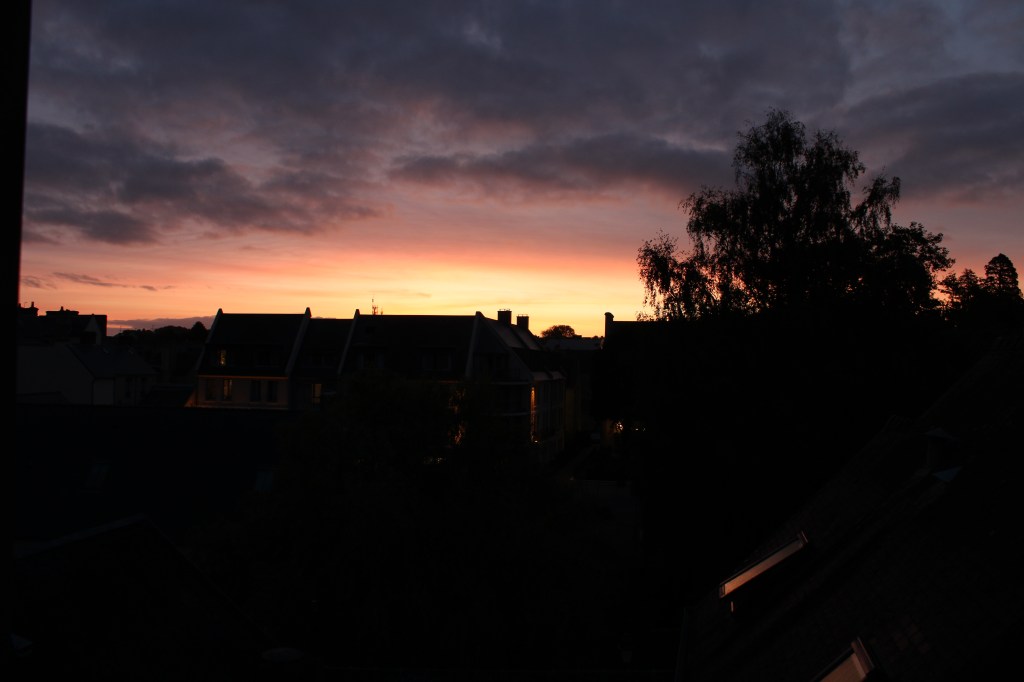
The cathedrals of Europe are striking, not least because of what it meant for people to commit to build something they’d likely never see completed in their lifetime. But in France, I noticed them all the more because their bells rang in every village and city. What a poignant call to slower pace, to pause, to reflect, to remember there’s time for all things.
In monasteries, life is regulated by a bell. Monks and nuns know that time is not their own, that when the bell rings they must drop whatever they are doing and move on to what is being asked of them next. When the bell rings, St. Benedict once said, the monk must put down his pen without crossing his ‘t’ or dotting his ‘i.’ He must move on, not necessarily because he feels like doing something else, but because it is time — time to eat, or pray, or work, or study, or sleep. Monks’ lives are regulated by a bell, not because they don’t have watches and alarm clocks, but to remind them, always, that time is not their own and that there is a proper time to do things. Monks don’t get to sleep, eat, pray, work or relax when they feel like it, but when it’s time to do those things. …
During all of the most active years of our lives we are reminded daily, sometimes hourly, that time is not our own, we are monks practicing a demanding asceticism. There will not always be time to smell the flowers and we are not always poorer for that fact. Monasticism has its own spiritual payoffs. To be forced to work, to be tied down with duties, to have to get up early, to have little time to call your own, to be burdened with the responsibility of children and the demands of debts and mortgages, to go to bed exhausted after a working day is to be in touch with our humanity. It is too an opportunity to recognize that time is not our own and that any mature spirituality makes a distinction between the season of work and the Sabbath, the sabbatical, the time of unpressured time.Most important of all recognizing in our duties and pressures the sound of the monastic bell actually helps us to smell the flowers, to give to each instant of our lives the time it deserves – and not necessarily the time I feel like giving it. We are better for the demands that the duties of state put on us, despite constant fatigue. Conversely, the privileged who have all the time in the world are worse off for that, despite their constant opportunity to smell the flowers.
~ Father Ron Rolheiser, The Monasticism of Daily Life

I bought two things when I came back from France: an electric teapot and a set of demitasse spoons. Both remind me to slow down, to step back when needed, and to be a calm presence for others when called on. Our American way of life makes that challenging, but it’s worth the pursuit. And I’ll always champion deep, joyful, reflective living.
We want to believe a slower life is possible but fear we will miss out if we don’t keep the pace. So we bend to the pressure to go big and get public, and that’s exactly the moment when we miss the gift of slowness, even the gift of obscurity. We chase after something that keeps slipping through our fingers. This grasp at an elusive state of spectacular-ness never ends, for it always seems just out of reach. …
Our culture sells us hacks to help us hurry—quicker banking, faster food, workouts for time-crunched people. You may think you need all of it, because you are convinced you can’t afford to slow down. The truth is, you can’t afford not to. …
Hurry is the enemy of beauty.
Beauty comes when we stay instead of run; when we taste instead of shovel in; when we take the long way home after work and see the brightest blue sky open before us.
Quicker is not always better.
There’s nothing wrong with meeting goals swiftly. Some moments really are made for hustling. But the desire to build quickly is dangerous. It can hurt the foundational pillars that hold up our relationships, businesses, and health.
Let’s stop glorifying the end results and start embracing the day-by-day process of building something beautiful with our lives. We have bought into the deception that a meaningful life is the result of achieving goals, but meaning isn’t found in the rush for results. Quite often, meaning is found in the struggle.
With all that is within me, I am convinced that God is far less concerned with how quickly we meet quotas and more interested in the people we are becoming as we embrace slow growth. He takes joy in seeing how we are willing to walk in obedience while refusing to compromise our personal integrity in the name of achievement.
~Jennifer Dukes Lee, Growing Slow

 Carol Stillings